
Porsche set out its plan to 2035 on 7 October 2026, at a capital markets day in Stuttgart. The strategy has a name, "Sportwagenschmiede '35", and a long list of margin targets. But the clearest statement of where the company is going is one sentence about a car that does not exist yet.
The next new Porsche SUV is not electric
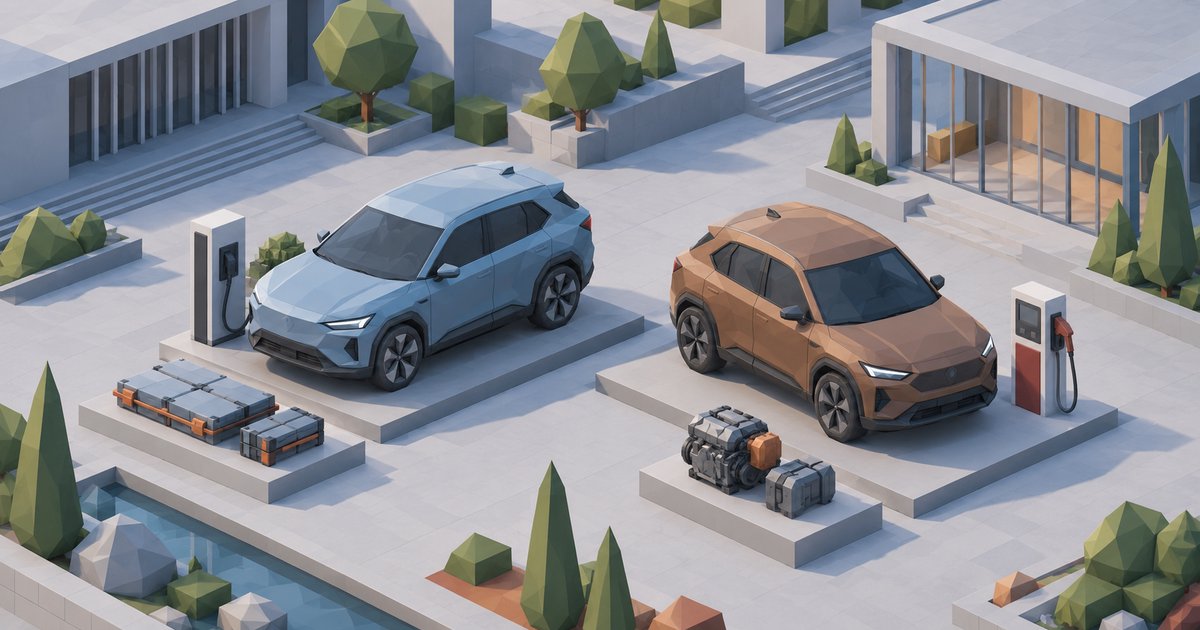
"Also in 2028, a new SUV in the B-segment will be presented, which will be offered in parallel with the current all-electric Macan," the company said. "The new vehicle, featuring internal combustion and plug-in hybrid powertrains, is expected to make a noticeable contribution to sales and profitability in 2029."
Porsche is not replacing the electric Macan. It is building a combustion car to stand next to it, and it expects that car — not the electric one — to move the profit line. The same release commits to "investments in brand-defining combustion engine/PHEV drives as well as the next generation of battery technology", in that order.
This is the formal version of what chief executive Michael Leiters had already told the Financial Times days earlier: a petrol Macan for 2028, and no electric 911.
The company is planning to be smaller
The financial targets describe a deliberate shrink rather than a recovery.
| Target | Medium term |
|---|---|
| Break-even point | Fewer than 200,000 units |
| Group sales | €41–45 billion |
| Group operating return on sales | 10–15% |
| Automotive net cash flow margin | 9–12% |
| Model variants | About 20% fewer |
| Sales volume per variant | About 30% higher |
| Share of D/E-segment models | About 45% higher |
A break-even below 200,000 cars is the number that matters. Porsche is rebuilding its cost base around selling fewer cars at higher prices, and the "D/E segment" language is where the margin is meant to come from.
What stays electric
The electric 718 Boxster and Cayman are still coming, and Porsche expects them to "support sales in their first full year of production in 2028". The electric Macan continues. Nothing in the release retires either, and the next generation of battery technology is named as an investment area.
So this is not an exit from electric cars. It is a decision that the growth segments get combustion and plug-in hybrid options, and the electric line-up stops expanding into them.
The 9,000 jobs are not today's news
The release mentions "a socially responsible reduction of 9,000 jobs" alongside a commitment to secure the core workforce until 2035. That Future Package was agreed with employee representatives before this strategy day — 3,900 cuts in February 2025, roughly 5,000 more agreed in July 2026. The capital markets day restates it; it does not announce it. The newer figures are the portfolio ones: 25% fewer staff in direct and indirect functions and 40% fewer management positions, both medium term.
Why this matters to a European Tesla buyer
Porsche is the European premium brand that went electric earliest and hardest, and it has now told investors that its next volume product will burn fuel. That removes a competitor from the segment above the Model Y rather than adding one.
It also thins the compliance pool Tesla sells into. Porsche already left Volkswagen's CO2 pool for XPeng's, and Europe's credits have only just acquired a visible price. A premium maker planning more combustion cars in 2029 is a buyer of credits, not a seller — but only if the 2035 rules still require them.