
The Dutch motoring club ANWB has published its summer 2026 charging-card study, based on more than 600,000 ANWB charge cards that started over 4.8 million sessions this summer. Its main finding is that charging abroad has become more predictable. The costs that still catch drivers out are the ones around the electricity: blocking and parking fees.
Fewer extreme prices
In Switzerland, 25% of sessions on ANWB cards cost more than €1 per kWh in 2024. This summer it was 9%. In Austria, the share fell from 16% to 9%. Blocking costs, charged when a car stays plugged in after it has finished charging, fell by 98% in Austria compared with 2024.
| Measure | 2024 | 2026 |
|---|---|---|
| Swiss sessions above €1 per kWh | 25% | 9% |
| Austrian sessions above €1 per kWh | 16% | 9% |
| Active ANWB charge-card customers | 121,000 | 263,000 |
Where the bills still bite
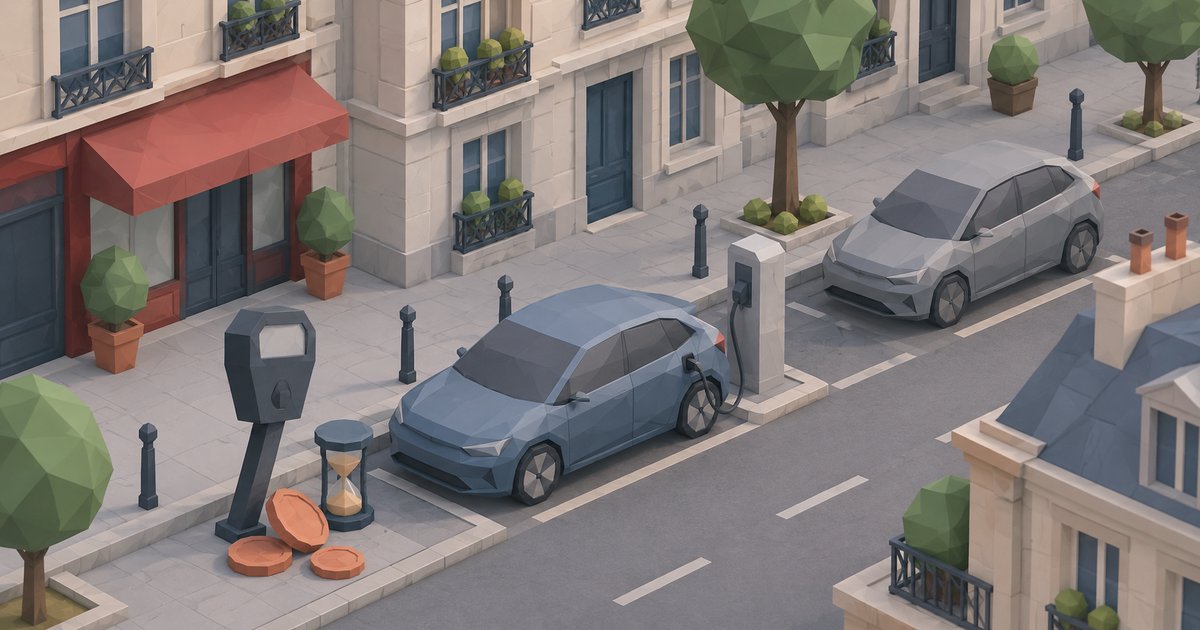
ANWB says blocking fees are still relatively common in France. In Italy and Poland, operators increasingly add parking charges on top of the charging bill. The most expensive session this summer was in Paris, where one driver paid more than €400 for three days at a charger, most of it in blocking fees. ANWB saw more bills like it at the same location.
Where the cars went
Germany, France and Belgium remain the most common foreign charging countries, because Dutch drivers pass through them. The growth is further away. The number of ANWB card customers who charged in Italy rose 185% in two years, to just over 9,500, and in Austria it rose 231%. Portugal and North Macedonia now appear more often in the data. ANWB reads this as range and charging worries holding back fewer EV drivers when they choose a destination, and its own card base has grown with them: active customers rose 118% in two years. For the autumn holidays, Belgium has overtaken Germany as the most popular foreign charging destination, and ANWB expects autumn prices to stay around summer levels.
What it means for Tesla drivers
At Superchargers, idle and congestion fees apply only when at least half the stalls are taken, and they are waived if the car moves within five minutes, as our guide to Supercharger idle fees explains. The exposure abroad is at third-party chargers used with roaming cards such as ANWB's, typically at hotels, car parks and on the street. That is where a long stop can turn into a large bill, as it did in Paris this summer and when a two-day session at Graz Airport cost an Austrian driver over €2,000.
ANWB's advice is to check the parking and blocking fees in the app before plugging in, not just the price per kWh.