
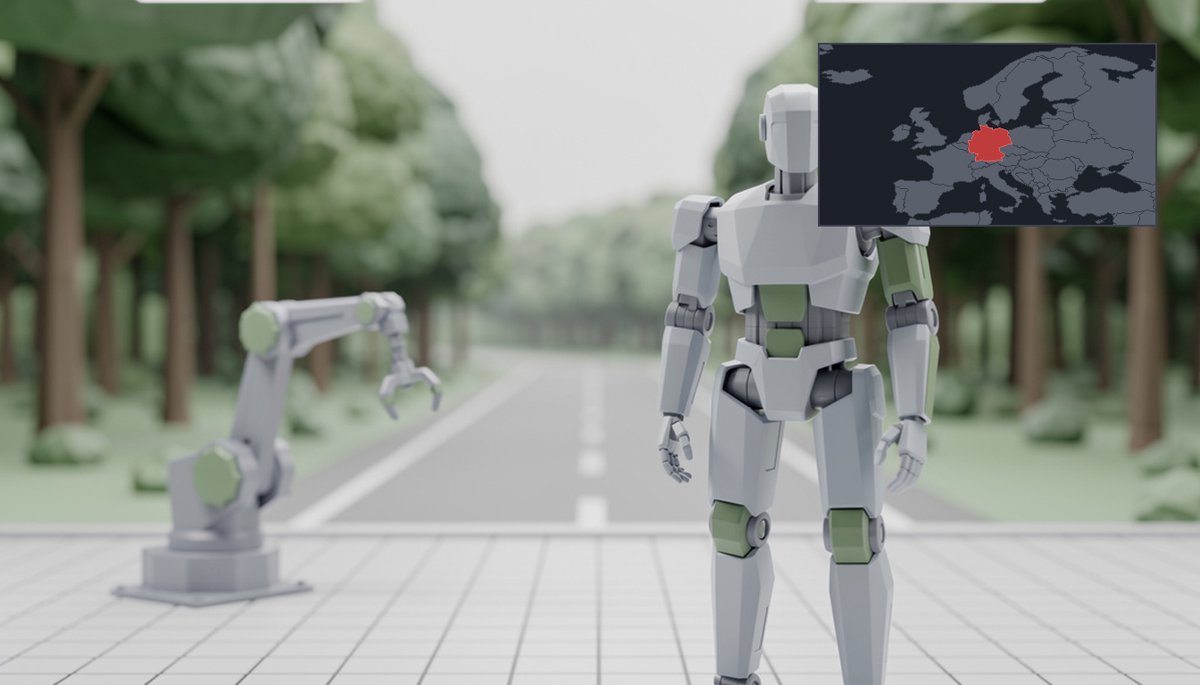
Tesla is turning its German operations into a training ground for Optimus, the humanoid robot Elon Musk has repeatedly called the company's most important long-term product. According to a report from electrive, the automaker plans to record how workers at its Grünheide vehicle plant near Berlin move during assembly work, then feed that data into Optimus so the robot can learn to perform the same tasks.
Why real factory movement matters
Humanoid robots are only as good as the movement data they are trained on. Manipulating parts, reaching into a chassis or handling tools on a moving line involves thousands of small adjustments that are difficult to program by hand. By capturing how experienced assembly workers actually do the job, Tesla can teach Optimus to copy proven human technique rather than approximate it in simulation.
The plan is for selected employees to be filmed while they work, with the recordings used to build a library of real manufacturing motions. Tesla has framed the effort as workers helping to train the robot that will eventually work alongside them, rather than a straight replacement — the assembly line becomes both a factory and a data-collection environment.
Grünheide plus Reutlingen
Grünheide is only one half of Tesla's German robotics footprint. The company is expanding its activities in Reutlingen, in southern Germany, where it is developing components and production processes for building Optimus at scale. That split — movement data gathered at the Berlin car plant, hardware and manufacturing engineering advanced in Reutlingen — signals that Tesla is treating Europe as a serious part of the Optimus programme rather than a purely US effort.
Separately, Tesla has begun laying groundwork for Optimus in its smartphone app, where Teslarati reports new code strings referencing the robot have appeared for the first time — an early sign the company is preparing consumer-facing infrastructure around the product.
Data protection and works council questions
Filming employees at work raises issues that are taken seriously under German law. Any recording of staff typically involves the works council and must satisfy strict data-protection rules, so the programme is expected to be shaped by agreements over how footage is captured, stored and used. This is a distinctly European wrinkle in Tesla's robot plans: the same data-collection approach would face very different constraints in the United States.
Why European owners should care
For now, Optimus has no direct bearing on the cars in European driveways. But the decision to train it at Grünheide ties the robot's future to the same plant that builds the Model Y for Europe, and it deepens Tesla's industrial commitment to Germany at a time when the company is also hiring heavily at the site. If Optimus does become a mainstream product, some of its earliest real-world know-how will have been learned on a European factory floor.