
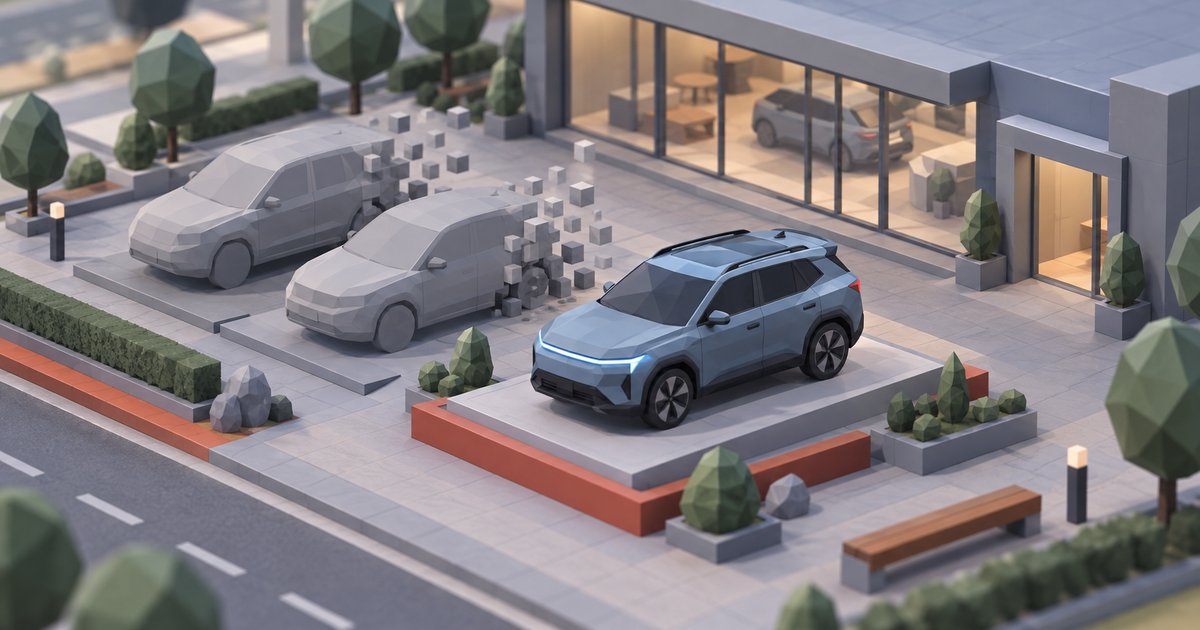
Volkswagen confirmed on 28 September 2026 that its ID.4 and ID.5 electric SUVs will be replaced by a single model called the ID. Tiguan. The car gets its world premiere in early October, reaches European showrooms at the beginning of 2027, and arrives in North America at an unspecified later date.
What Volkswagen actually announced
This was a name and a set of first images, not a technical launch. Volkswagen released exterior photography and confirmed the ID. Tiguan succeeds both the ID.4 and its coupe-roofed ID.5 sibling, which merge into one nameplate. The electric car will be sold alongside the combustion and hybrid Tiguan rather than replacing it.
Thomas Schäfer, chief executive of the Volkswagen passenger-car brand, framed the change around the Tiguan's track record: more than 8.3 million have been built since the model launched, and the company says it is "carrying this product promise into the electric future".
Battery sizes, range, power and charging speeds were not disclosed. Neither was price, which is the number that will actually decide how the car sells.
What changes, and what does not
| Detail | ID.4 / ID.5 | ID. Tiguan |
|---|---|---|
| Platform | MEB | MEB+, an update of the same architecture |
| Body styles | Two (SUV and coupe) | One |
| Premiere | — | Early October 2026 |
| Europe on sale | — | Early 2027 |
| North America | — | "At a later date" |
| Battery, range, price | 58 and 79 kWh packs | Not announced |
The important qualifier is the platform. MEB+ is an evolution of the MEB architecture the ID.4 has used since 2020, not the SSP platform Volkswagen has promised for later in the decade. Reporting from journalists who have driven prototypes describes a car that keeps its predecessor's basic hardware while improving the interior and restoring physical controls — the area where the ID.4 drew the most criticism.
The styling moves toward the combustion Tiguan: a more angular nose with a continuous light bar, roof rails, and conventional door handles in place of the ID range's smoother, deliberately un-Volkswagen look.
The end of the ID numbering
The rename is the third in a pattern. The ID.2 became the ID. Polo, a smaller crossover is now the ID. Cross, and the ID.4 becomes the ID. Tiguan. Volkswagen is abandoning the alphanumeric ID scheme it introduced in 2019 and reattaching its electric cars to nameplates buyers already recognise.
That is an admission worth noting. The ID naming was meant to signal a clean break with the combustion past. Six years later Volkswagen has decided the recognition of its own model names is worth more than the signal.
What this means for a European Tesla buyer
The ID.4 has been the Model Y's most direct volume competitor in Europe: same segment, same body style, sold through a far denser dealer network. Anyone cross-shopping a Model Y in 2027 will be comparing it against a car with a different name, a more conventional interior and a familiar badge.
What has not changed is the underlying hardware. This is a facelift and a rename on an updated version of a six-year-old platform, not a new-generation answer to the Model Y. Volkswagen's genuinely new electric architecture is still ahead of it, and so is any indication of what the ID. Tiguan will cost. Until Volkswagen publishes a price and a range figure, the competitive picture in the segment is unchanged — the badge on the tailgate is the only confirmed difference.