
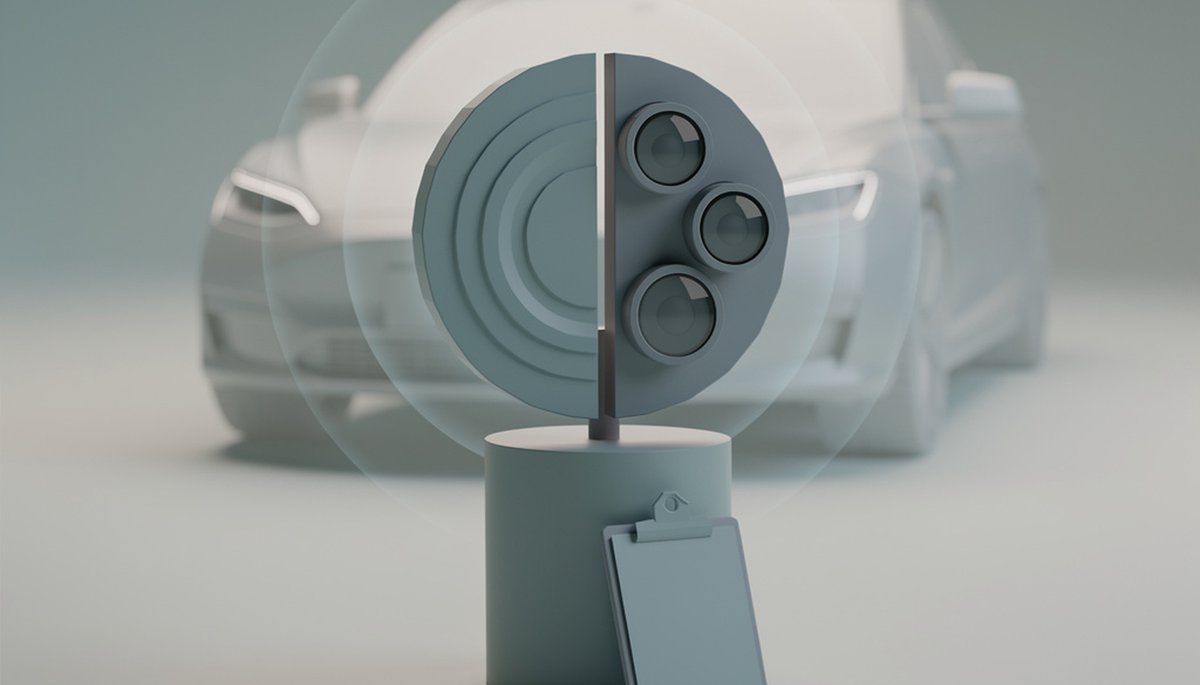
The US National Highway Traffic Safety Administration (NHTSA) has formally demanded an internal Tesla document titled 'Radar Saves Us' — a request that pushes its Full Self-Driving investigation straight at the company's most consequential engineering decision: dropping radar in favour of a camera-only system.
What the regulator is asking for
The demand is buried inside a 24-part information request that NHTSA's Office of Defects Investigation (ODI) sent to Tesla on 2 July 2026. The letter, signed by ODI director Tanya Topka and addressed to Tesla field quality director Eddie Gates, is the formal information request within EA26002 — the Engineering Analysis that NHTSA upgraded the earlier FSD visibility probe into back in March 2026.
An Engineering Analysis is the more serious of NHTSA's two investigation tiers and is typically the last step before a regulator can push for a recall. Tesla has until 12 August to respond in full. Failure to answer completely carries civil penalties of up to $27,874 per day, capped at roughly $139 million.
The crashes behind the probe
The investigation covers around 3.2 million Tesla vehicles and centres on nine crashes in which FSD was engaged in reduced visibility, including one fatality and one injury. In each case the conditions were similar — sun glare, fog, or airborne dust degrading the cameras that Tesla's system relies on entirely.
That pattern is why the 'Radar Saves Us' document matters. Tesla removed radar hardware from its vehicles several years ago and shifted to a vision-only architecture branded Tesla Vision, arguing that a well-trained neural network reading camera feeds could match or beat a camera-plus-radar setup. The document title alone suggests some engineers inside the company were uneasy about that trade-off — and NHTSA clearly wants to see what was written.
Why European owners should care
The investigation is a US matter, but its implications reach far beyond American roads. Tesla is actively seeking approval for FSD (Supervised) across Europe, where regulators work through the UNECE framework and national type-approval authorities that scrutinise exactly this kind of sensor and reliability question. The credibility of the vision-only approach is central to that effort.
If NHTSA's analysis concludes that removing radar measurably degraded FSD's ability to cope with poor visibility, European regulators reviewing Tesla's approval requests are likely to weigh those findings heavily. A federal finding in the United States would not automatically bind EU authorities, but it would shape the safety debate on both sides of the Atlantic.
What happens next
Tesla has not publicly commented on the specific document request. The company must hand over the material by the August deadline or contest the request. Whatever it produces will not be released immediately, but the outcome of EA26002 could determine whether Tesla faces a recall order over how its cars behave when the cameras cannot see clearly — and how confidently it can pitch the same technology to European buyers.