
Tesla has applied to trademark "Megapod," a name for modular data-center hardware built for artificial-intelligence computing, according to a new filing with the United States Patent and Trademark Office (USPTO). The application points to a potential new business line: selling self-contained AI compute systems, not just building them for Tesla's own use.
What the filing describes
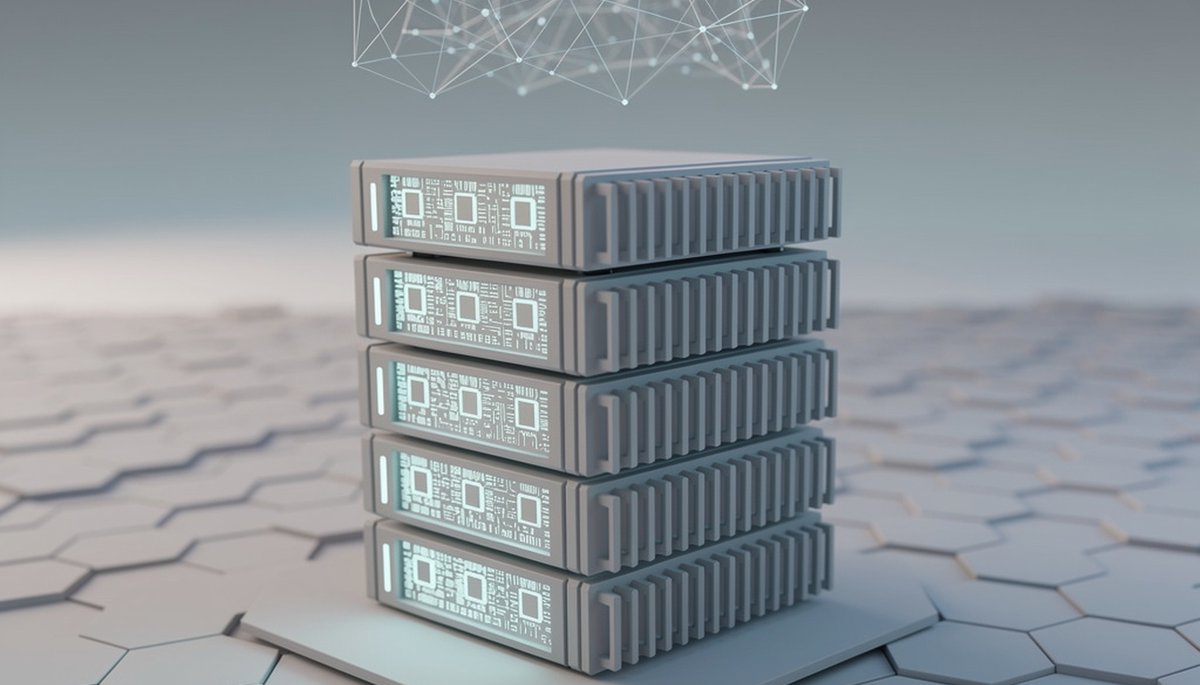
The intent-to-use application was submitted on 18 June 2026 under serial number 99893717. It covers "modular data center hardware systems for artificial intelligence computing," and the description lists computer servers, hardware for AI data processing, networking equipment, power distribution units, and cooling systems. In other words, Megapod is described as a complete, ready-to-deploy compute module rather than a single chip or board.
An intent-to-use filing means Tesla is reserving the name for a product it has not yet launched. It signals direction, not a delivery date. Tesla has not published specifications, pricing, or availability, so treat the scope of the product as unconfirmed for now.
Why the name matters
Megapod follows a naming pattern Tesla already uses for infrastructure hardware: Megapack for grid-scale battery storage and Megacharger for the Semi. Extending that branding to AI compute suggests Tesla views data-center hardware as a packaged product to be sold, much as it sells energy storage today.
The timing is striking. The filing lands less than a year after Tesla wound down Dojo, the in-house supercomputer it had built to train Full Self-Driving and other neural networks. Moving away from a bespoke training chip and toward modular, potentially sellable compute marks a clear shift in how Tesla plans to source the processing power its AI ambitions require.
The Supercharger connection
Analysts reading the filing have tied it to comments Elon Musk made earlier in 2026, when he said Tesla wants to put idle computing power to work across its Supercharger network. Musk has pointed to roughly 7 gigawatts of available power across Tesla's charging sites and floated the idea of running distributed AI workloads there during off-peak hours.
A modular, self-cooled compute unit would fit that vision: standardised hardware that can be dropped into charging sites or other Tesla facilities and networked into a larger distributed system. That remains a stated ambition rather than a shipping plan, but the Megapod trademark gives the concept a concrete name.
What this means for owners
For now, Megapod has no direct effect on the cars in Tesla's fleet or on European drivers. It matters because it shows where Tesla is investing: the compute backbone behind Full Self-Driving, the Optimus robot, and the company's broader AI roadmap. If Tesla does turn its charging network into a distributed data centre, the economics of that infrastructure could eventually influence how quickly self-driving features improve and roll out.
We will update this article when Tesla confirms specifications, partners, or a launch window for Megapod.