
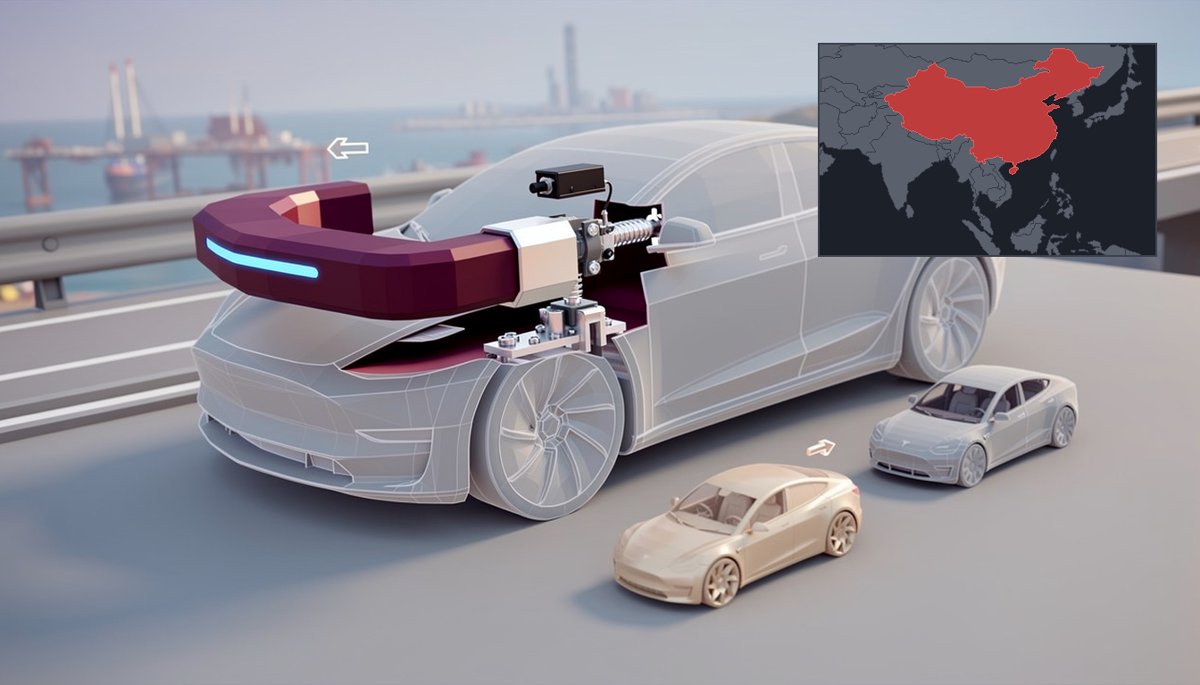
Why Tesla is rethinking its door handles
Tesla's flush, electronic door handles have been a brand signature since the Model S, but they are now the subject of regulatory pressure on two continents. The company has confirmed it is redesigning both the interior and exterior handles, and its design team says it will deliver "a really good solution" rather than a stopgap.
The core concern is emergency egress. In late December 2025, the US National Highway Traffic Safety Administration opened a defect-petition investigation covering roughly 179,000 model-year 2022 Model 3 cars. The petition argues that the back-up manual door release is hidden, unlabelled and not intuitive to find in a panic — concerns sharpened by reports of occupants struggling to get out after a low-voltage power loss left the electronic releases without power.
Regulators on two continents
The pressure is not limited to the US. China's Ministry of Industry and Information Technology has drafted rules that would ban cars fitted only with electric door handles, requiring an easily accessible mechanical release on both the inside and outside of every vehicle sold from 2027. Because Tesla builds at scale in Shanghai, a China-specific door is impractical — the stricter standard is likely to become the global default.
| Regulator | Action | Timing |
|---|---|---|
| NHTSA (US) | Defect-petition probe into Model 3 emergency door releases (~179,000 cars) | Opened Dec 2025 |
| MIIT (China) | Draft ban on electric-only handles; mechanical release required inside and out | From 2027 |
That global logic matters for European owners. The Model Y sold across Europe is built at Giga Berlin, and emergency-egress design is part of the type-approval framework that governs cars on EU roads. A single redesigned handle engineered to satisfy the toughest market would arrive on European cars alongside the rest of the lineup, rather than as a separate regional variant.
What the new design looks like
The clearest preview is the Cybercab, the first Tesla to showcase a unified door release. Instead of a separate electronic button and a hidden manual cable, it uses a single pull-style lever on the doorframe: a light pull triggers the powered release, and continuing to pull engages the mechanical emergency release. The lever is marked "Open" — including in braille — so passengers can locate it by feel.
That combined approach is the template Tesla is expected to roll out more widely: one obvious control that works whether or not the car has power, replacing today's split between an electronic button and a separate emergency latch many owners never learn to find.
When it arrives
The redesigned handles are expected to appear on production cars in late 2026 or early 2027, ahead of the regulatory deadlines. Until then, the safest move for current owners is simple: learn exactly where your car's manual door release is on every door, front and rear, and make sure passengers know too — because in a power failure that lever is the only way out.
Update: 2026-07-20
In July 2026, US regulators widened their scrutiny of Tesla's handles. The National Highway Traffic Safety Administration opened a new investigation into the door handles on roughly 174,000 Model Y vehicles from the 2021 model year, citing an electrical fault that could stop the exterior handle from working — a separate action from the earlier Model 3 defect petition noted above. Within a day, design chief Franz von Holzhausen publicly reaffirmed the planned redesign, describing a single lever that triggers the powered release with a light pull and engages the mechanical backup when pulled further, per InsideEVs. The expanded probe reinforces that the fix is being driven by regulators on multiple fronts, not a single petition.