
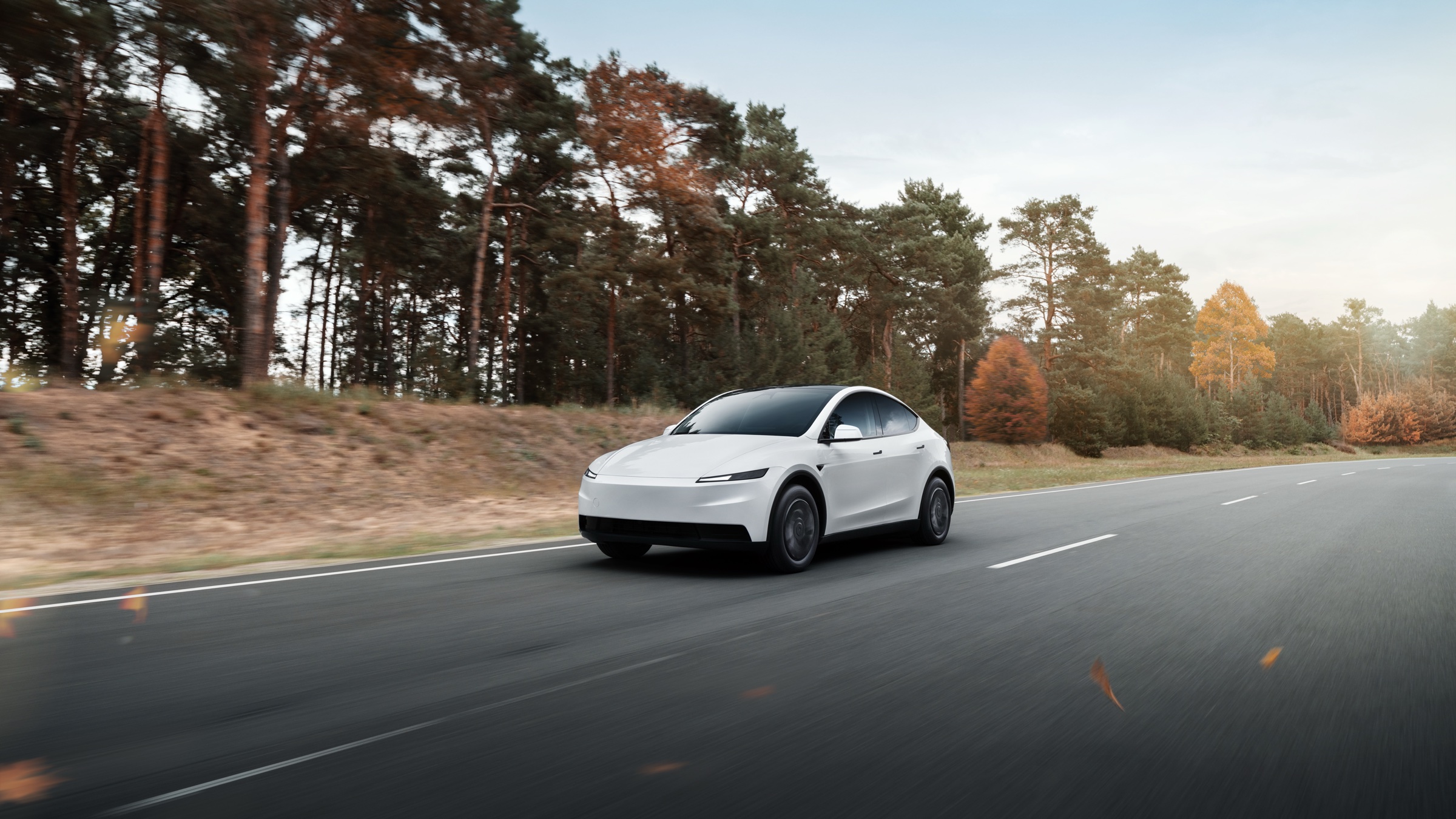
Tesla's Model Y Standard, the new entry-level rear-wheel-drive variant that arrived in European showrooms in spring 2026, is now in the hands of independent reviewers and the verdict is consistent: Tesla cut more than expected, but the car still drives well and the range is competitive. The early reviews, published in mid-May by electrive, Top Gear, Autocar and InsideEVs, give buyers their first detailed look at what £7,000 of saving against the Premium trim actually costs in everyday use.
The Price Position
In the United Kingdom, the Model Y Standard starts at £41,990, which is £7,000 less than the next trim up, the Premium Long Range Rear-Wheel Drive. In the eurozone the starting price is €40,990, putting the car directly against the VW ID.4 Pure and Skoda Enyaq 60 in the family-EV mainstream segment. WLTP range is 314 miles (505 km) on the rear-wheel-drive single-motor powertrain, comparable to the outgoing Model Y Long Range RWD.
What Tesla Removed
Reviewers identified a long list of cost cuts, more aggressive than expected for a 17% price reduction.
Exterior
- Front and rear light bars replaced with conventional LED units, removing the most visible Juniper-era styling cue
- Simplified bumpers with fewer fascia accents
- 18-inch Aperture steel wheels with hubcaps as standard (alloys are optional)
Interior
- Fabric upholstery instead of vegan leather, with thinner padding
- Door cards redesigned in a cheaper-feeling plastic, no ambient lighting strip
- Cabin ambient lighting removed entirely throughout the interior
- Glass roof retained structurally but covered internally — no light enters the cabin from above
- No physical control for the driver's electric seat — adjustment is done from the centre screen
- Passenger seat loses height adjustment, retains only seat-back rake
NVH (noise, vibration, harshness)
- Less sound deadening: reviewers describe the Standard as noticeably louder than the Premium, with more motor whine and suspension noise audible at motorway speeds
What Tesla Kept
The central touchscreen, the Tesla powertrain electronics, the suspension geometry, the brakes, the structural body and the heat pump are unchanged. The 12.3-inch front display retains the same software with full Autopilot capability, the steering wheel and pedals are identical to the Premium, and the boot dimensions are unchanged. Tesla also keeps the standard 11 kW AC charging and 250 kW DC peak on the Supercharger network — there is no charging derating.
Safety equipment is also retained in full: the same suite of cameras, Standard Autopilot lane-keeping and traffic-aware cruise control, parking sensors and emergency braking are available on the Standard exactly as on the Premium. FSD (Supervised) remains a paid option through the subscription tier where regulators have approved it.
How It Drives
Reviewers report the Standard feels like "any other Model Y" from the driver's seat — direct steering, strong instant torque, well-judged regenerative braking, and the same composed ride that Tesla has tuned at Giga Berlin. The lower price tag is more visible at rest than in motion: the cabin's plainer surfaces and additional road noise are what most reviewers comment on, not any deficit in driving capability.
What European Buyers Should Take From This
The Model Y Standard reads as a deliberately stripped commuter EV. If the daily car needs to carry a family, manage school runs and absorb a long motorway commute, the range, space and powertrain are all intact. Owners who care about cabin ambience, quietness on the autobahn, or the styling cues of the higher trims will struggle to live with the cuts — these are not features that can be retro-fitted, and they make the Standard look and feel its lower price. For first-time Tesla buyers who want the cheapest path into Supercharger access and Tesla service, the trade is reasonable; for upgraders coming from a Premium or Performance Model Y, the changes will feel like a step down.