
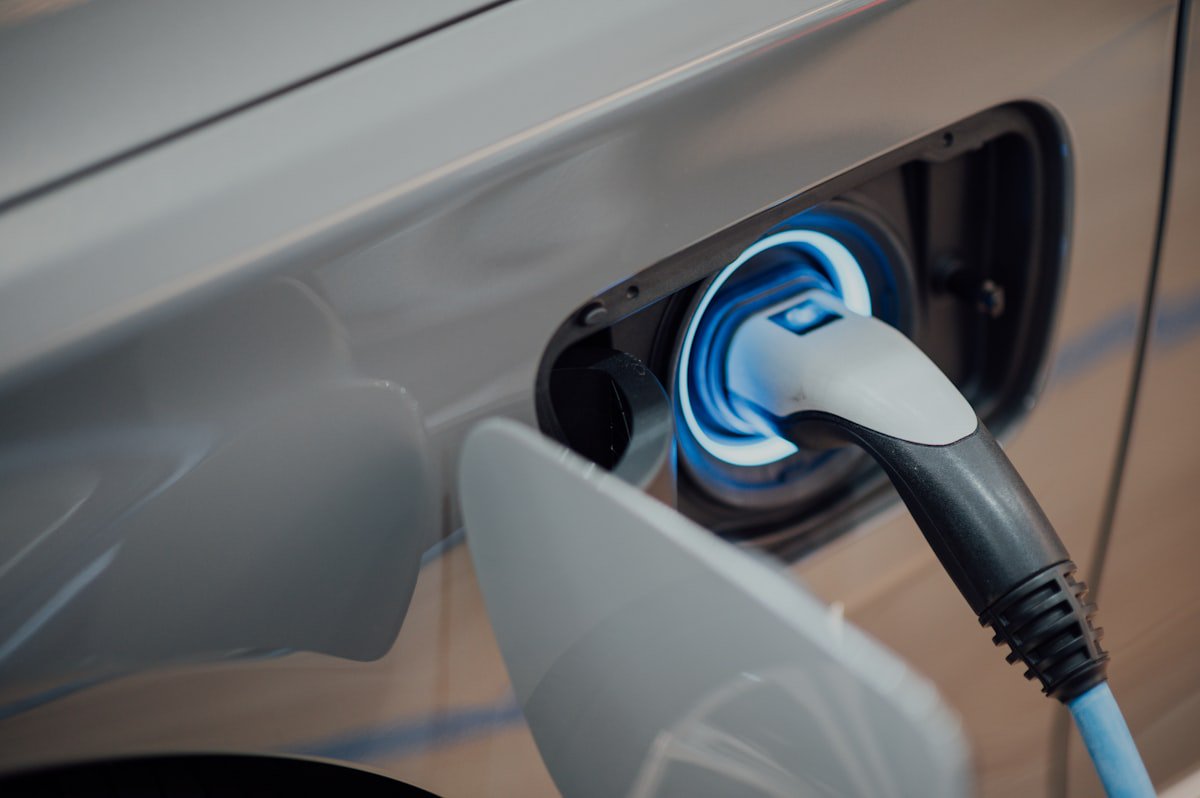
Tesla's Supercharger network in Europe passed a significant milestone in June 2025, reaching 14,000 charging points across 1,100 sites in 30 countries. The network also expanded into new territory with a pre-assembled V4 station in Estonia — a first for the Baltic region.
V4 Expansion and New Technology
The Estonia station uses Tesla's modular pre-assembled approach, where stations arrive largely ready to install, significantly reducing deployment time compared to traditional construction. V4 Supercharger cabinets deliver up to 500 kW peak power — a substantial upgrade from the 325 kW V3 stations — and feature longer cables designed for better compatibility with non-Tesla vehicles.
| Specification | V3 Supercharger | V4 Supercharger |
|---|---|---|
| Peak Power | 325 kW | 500 kW |
| Cable Length | Standard | Extended |
| Non-Tesla Support | Adapter required | Native CCS |
In Q1 2025 alone, Tesla installed 2,200 new Supercharger charging points globally, representing a 17% increase compared to the previous year.
Network Opening to Other Brands
A significant development in June 2025 was Volkswagen's confirmation that its vehicles — including the ID.4 and ID.Buzz — would gain access to the Tesla Supercharger network via official adapters. This marks a major step in Tesla's interoperability strategy and expands the potential user base substantially.
Germany leads Europe with approximately 3,600 Supercharger points, reflecting the country's position as the continent's largest EV market.
What This Means for Owners
The network expansion benefits European Tesla owners in several ways: denser coverage reduces range anxiety on long-distance routes, V4 stations offer faster charging sessions, and the opening to non-Tesla brands is partially funded by EU subsidies — Tesla secured nearly $150 million in EU funding for Supercharger expansion.
For those concerned about increased demand from non-Tesla vehicles, the rapid pace of new station construction suggests Tesla is expanding capacity to match the broader user base.