
A Fleet Takes Shape in Phoenix
Approximately 60 Tesla Model Y vehicles equipped with specialised rear camera washers have been spotted at a staging lot in Phoenix, Arizona, according to NotATeslaApp. The vehicles carry California manufacturer licence plates and appear purpose-built for autonomous ride-hailing — matching the configuration Tesla uses for its existing robotaxi fleet in Austin.
The rear camera washer is a robotaxi-specific modification not found on consumer Model Y vehicles. It keeps the rear-facing camera clean during autonomous operation, when no driver is present to notice or address sensor obstructions.
From Testing to Deployment
The scale of the staging — 60 vehicles rather than a handful of test cars — suggests Phoenix has moved beyond the testing phase. Tesla's Austin robotaxi service currently operates with roughly 35 vehicles, making the Phoenix fleet nearly double that size from day one.
Tesla stated during its Q4 2025 earnings call that Phoenix was among seven metro areas planned for robotaxi coverage in the first half of 2026. The full list:
| City | Status |
|---|---|
| Austin | Active since late 2025 |
| Phoenix | Staging (60 vehicles spotted) |
| Dallas | Planned H1 2026 |
| Houston | Planned H1 2026 |
| Miami | Planned H1 2026 |
| Orlando | Planned H1 2026 |
| Tampa | Planned H1 2026 |
| Las Vegas | Planned H1 2026 |
Cybercab on the Horizon
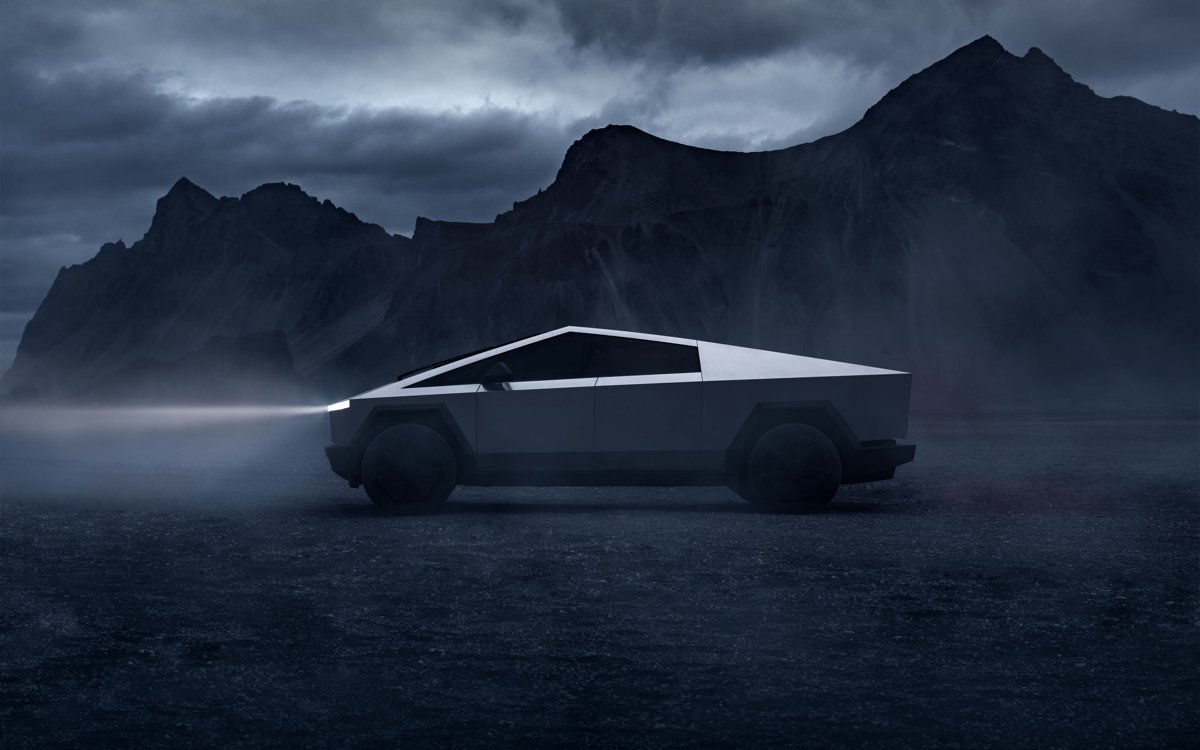
The Model Y robotaxis are a bridge to Tesla's purpose-built Cybercab, which is expected to begin production in April 2026 at Gigafactory Texas. The Cybercab lacks a steering wheel and pedals entirely, designed from the ground up for autonomous operation.
Once Cybercab production reaches volume, the Model Y fleet may transition to a support or overflow role — or be redeployed to additional markets. For now, the Model Y serves as the workhorse that lets Tesla build operational experience while the dedicated hardware ramps up.
What This Means for Europe
Tesla's robotaxi ambitions remain US-only for now, but the European implications are significant. Every mile driven autonomously in Phoenix and Austin generates data that feeds back into the FSD neural network — the same network that will power supervised FSD when it launches in Europe.
Tesla is currently conducting FSD ride-along demonstrations across several European countries, with regulatory approval pending in the Netherlands. The operational track record Tesla builds in US cities will be a key piece of evidence when European regulators evaluate the safety case for autonomous driving features.
The Competitive Picture
Tesla is not alone in the autonomous ride-hailing race. Waymo recently expanded to Nashville, its eleventh US city, and operates a more mature commercial service. But Waymo uses expensive LiDAR-equipped vehicles with limited production scale, while Tesla's camera-only approach is designed to work on mass-market hardware that is already in millions of vehicles worldwide.
The Phoenix staging represents Tesla's bet that scale and data volume — not sensor cost — will determine the winner in autonomous mobility.