
Tesla released Master Plan Part 4 on September 1, 2025, and for the first time in the company's history, vehicles are not the centrepiece. The document, subtitled "sustainable abundance," positions Tesla primarily as an AI and robotics company — a framing that has divided investors and drawn blunt criticism from industry observers.
What the Plan Says
Master Plan Part 4 outlines five guiding principles: infinite growth, innovation removing constraints, technology solving tangible problems, autonomy benefiting humanity, and greater access driving growth. It organises Tesla's future around three pillars:
- Electric vehicles: Continuing the existing lineup progression from Roadster to Model S/X to Model 3/Y, but positioned as one pillar among equals rather than the core business.
- Energy products: Solar generation and battery storage for clean electricity at scale.
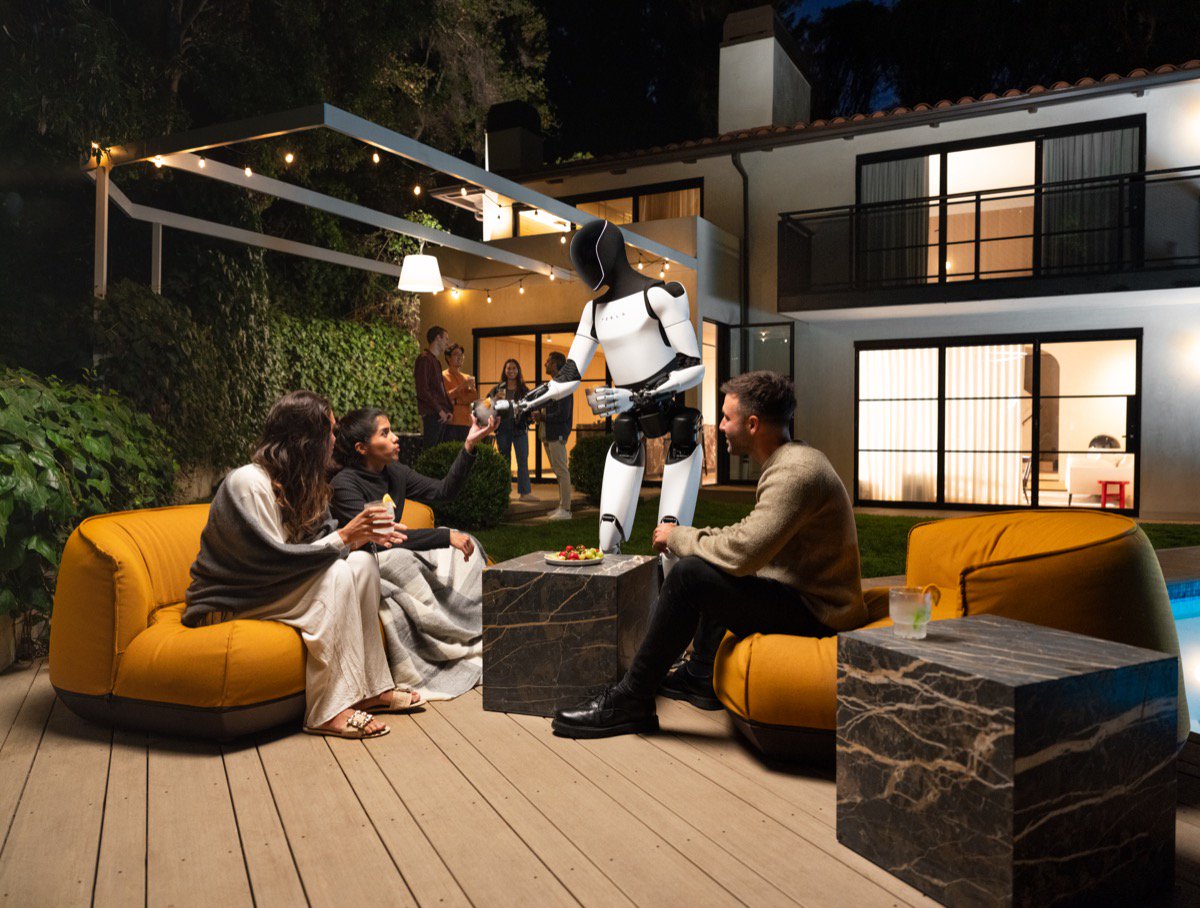
- Optimus robot: Tesla's humanoid robot, described as capable of handling "monotonous or dangerous" tasks to "give people back more time to do what they love."
The document emphasises combining manufacturing scale with autonomous technology to redefine "labour, mobility, and energy" globally.
The Criticism
Reaction was swift and largely sceptical. Electrek's Fred Lambert dismissed the plan as "utopic nonsense" and "opium meant for Tesla shareholders," noting that previous Master Plans remain incomplete — Part 2 from 2016 is still unfinished nine years later.
The Optimus programme faces particular scrutiny. By mid-2025, Tesla had built approximately 1,000 prototypes, but production was paused due to overheating, weak batteries, and low payload capacity. Public demonstrations — including one at a Tesla diner in Los Angeles — have revealed that robots often require human remote control. At that event, the robot "worked for a few hours on the first day" before going offline for a month, according to reports.
What It Means for European Owners
For European Tesla owners, the plan signals that vehicle innovation may increasingly take a back seat to AI and robotics investment. The document offers no new vehicle models, no European-specific commitments, and no timeline for the long-rumoured affordable Tesla.
This comes at a difficult time in Europe. Tesla's market share is declining across the continent, and competitors at IAA 2025 showcased affordable EVs and superior charging technology. Whether Tesla's AI bet pays off for European customers remains an open question.
Update: By early 2026, Tesla's Optimus programme continued to face delays. No consumer version has been announced. Vehicle sales declined 9.1% globally in 2025.