
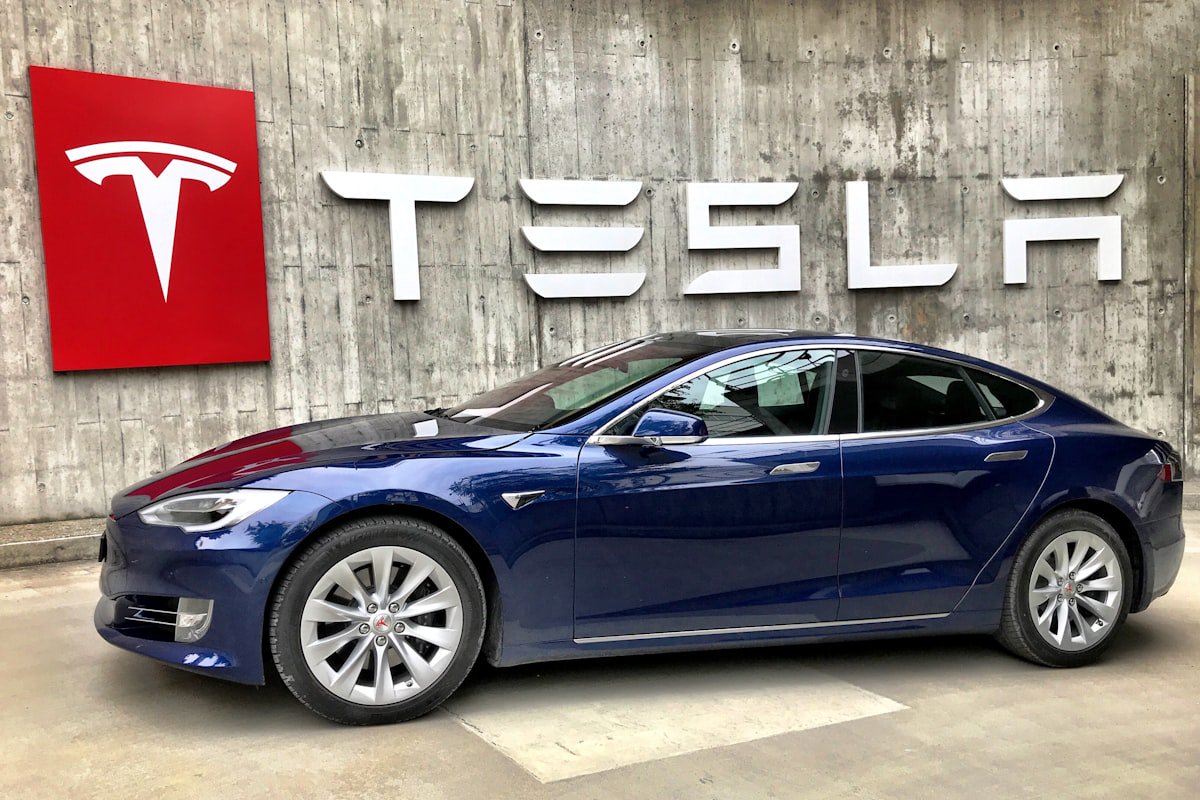
Tesla has taken its most significant step toward autonomous ride-hailing, launching a commercial robotaxi service in Austin, Texas on June 22, 2025. The service uses 20 driverless Model Y vehicles operating within a geofenced area of the city.
How the Service Works
The Austin robotaxi service operates with a small fleet of Model Y vehicles running custom software optimised for the geofenced operating area. Rides are available through a dedicated app at an initial flat fare of $4.20. The service relies on remote teleoperation support, with human operators monitoring vehicles and able to intervene when needed.
Tesla entered Austin's official autonomous vehicle testing phase on June 9, appearing on the city's registry of known AV operators. The launch date shifted from an initial target of June 12 to June 22, with CEO Elon Musk describing the timeline as "tentative."
What European Owners Should Know
While the Austin launch is US-only, it signals Tesla's direction for autonomous technology that will eventually reach European markets. The service uses the same hardware found in customer vehicles — meaning European Model Y owners already have compatible hardware installed.
For context, Waymo conducted six months of safety-driver testing and six months of driverless testing before its own Austin launch, a considerably longer validation period. Tesla's accelerated timeline has drawn scrutiny from safety advocates and regulators.
The Bigger Picture
The robotaxi launch comes as Tesla simultaneously pursues FSD Supervised approval in Europe, with testing already underway in Rome and regulatory discussions ongoing with the Dutch transport authority. Current FSD performance shows approximately 444-500 miles between critical disengagements according to crowdsourced data.
The Austin service represents a controlled proof of concept rather than a full-scale deployment. Its success — or struggles — will likely influence the pace of European regulatory approval for Tesla's autonomous features.