
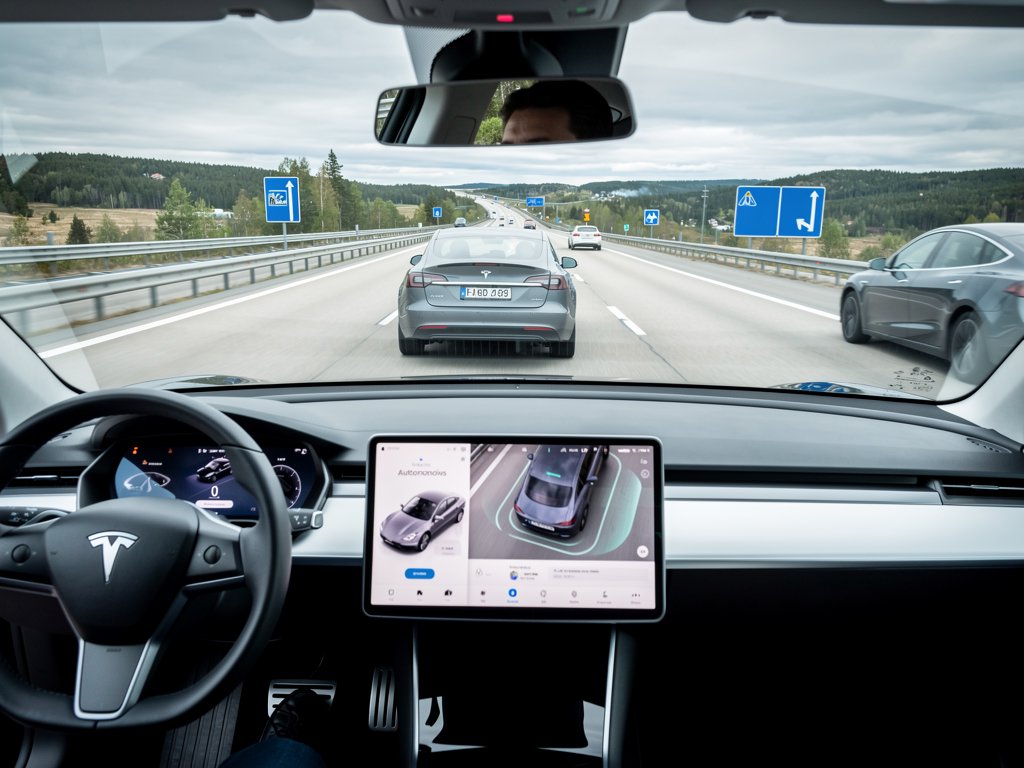
Strängnäs Becomes the Latest Swedish Step
The municipality of Strängnäs, about 80 kilometres west of Stockholm, has formally granted Tesla permission to test its Full Self-Driving software on its municipal road network. The decision was first reported by NotATeslaApp on 27 April 2026 and corroborated by Drive Tesla Canada and Tesla North.
The permit is valid for one year. It covers municipal streets in Strängnäs, complementing earlier permission Tesla already holds for Swedish state roads. Together they let Tesla string together end-to-end test routes that include rural state-road sections and residential or industrial streets inside the municipality.
What's Approved and What Still Isn't
The Strängnäs decision is a permit, not an immediate green light. Before any Tesla can run FSD on a public road in Strängnäs, the Swedish Transport Agency, Transportstyrelsen, must sign off on Tesla's operational safety case and supervision plan. That national-level review covers driver-monitoring procedures, incident reporting, and the technical scope of testing. Until Transportstyrelsen completes its review, the municipal permit sits on the shelf.
What the permit does signal is local political acceptance. Sweden's Transport Agency has historically taken its time with autonomous-driving applications, and a positive municipal decision reduces one source of friction in the national review. Tesla has also separately applied for testing rights in Jönköping, suggesting the Strängnäs case will not be the only Swedish municipality on the table this year.
Why Sweden Specifically
Sweden is a useful proving ground for FSD in Europe for two reasons. First, Nordic conditions — ice, snow, low light, road salt, mixed urban-rural commuting patterns — are precisely the edge cases Tesla's North American training data is thinnest on. Second, Sweden has a relatively permissive regulatory framework for testing that does not require a single national exemption process the way Germany or France do.
For European Tesla owners, the more concrete benefit of Swedish testing is data. Every kilometre logged in Strängnäs winter conditions feeds back into the FSD neural network and improves performance for drivers in northern Germany, Denmark, the Netherlands, the UK and Norway, all of which share weather and lighting characteristics with central Sweden.
Where This Sits in the European Roll-Out
The Strängnäs permit lands amid an unusually busy stretch of European FSD progress. FSD Supervised testing in Spain has now logged over 80,000 km with 30 vehicles and zero incidents under the Spanish DGT's ES-AV framework. Czech Tesla owners have filed a government petition calling on the Ministry of Transport to adopt the Dutch RDW's FSD Supervised approach. UNECE Regulation 171 amendments, in effect since 26 September 2025, allow system-initiated highway manoeuvres across Europe.
None of this gets ordinary owners closer to an FSD button on their car this month. What it does is pile up regulatory and operational evidence in different European jurisdictions, each with different testing styles, that Tesla can point to when applying for the Dutch RDW type-approval the company is targeting as its main European unlock.
What to Watch Next
The two near-term signals to watch are: whether Transportstyrelsen completes its review on the Strängnäs permit within weeks rather than months, and whether Tesla expands testing to a second Swedish municipality before midsummer. A fast Transport Agency review would be the more meaningful of the two — it would set a template for further Swedish municipalities to grant local permits without lengthy national-level delays.
Until then, the Strängnäs decision is primarily a regulatory marker rather than a change in what FSD can do today on Swedish roads.