
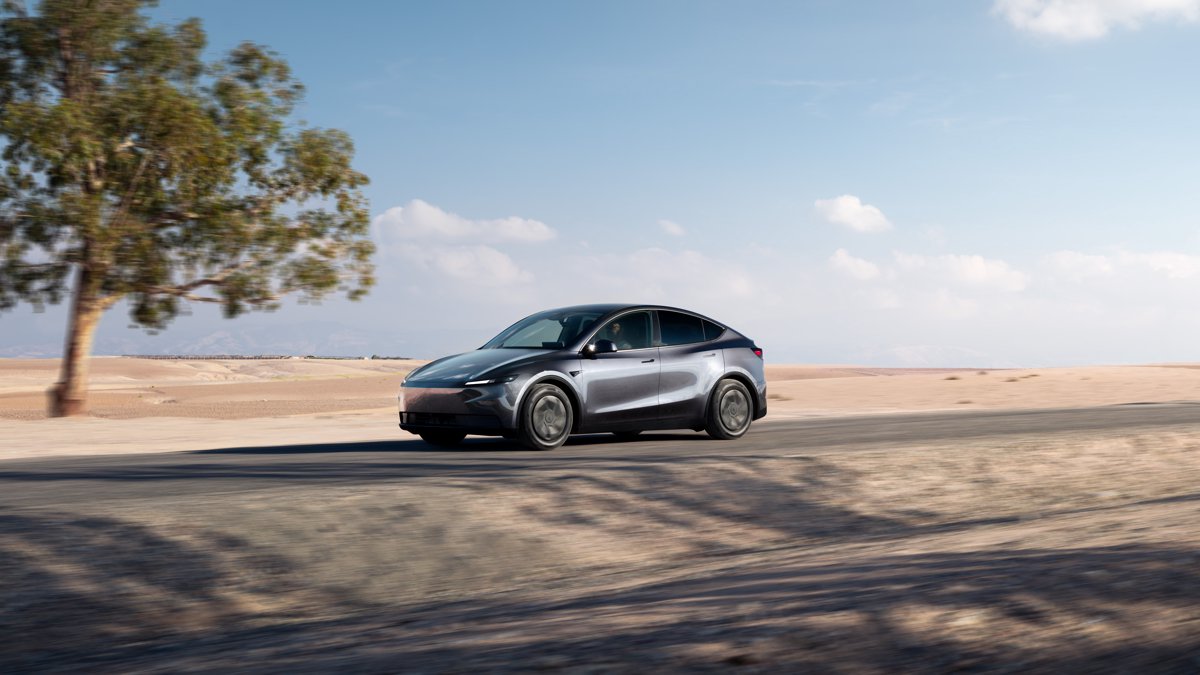
Tesla has taken its biggest step yet toward bringing Full Self-Driving to Europe. On November 28, the company launched free ride-along sessions in Italy, France, and Germany, letting the public experience FSD Supervised from the passenger seat for the first time on European roads.
How the Ride-Alongs Work
Each session lasts 30 to 45 minutes. A trained Tesla employee sits behind the wheel while the vehicle navigates real city traffic, roundabouts, and highways using FSD Supervised. Participants ride shotgun as observers — they do not drive. The sessions are free and available via sign-up on Tesla's localized event pages.
In Germany alone, Tesla is offering rides at stores in Munich, Cologne, Hamburg, Düsseldorf, Frankfurt am Main, Giessen, Hanover, Berlin, and Stuttgart. Demand has reportedly been overwhelming, prompting Tesla to extend the program through March 2026.
The Regulatory Path Forward
The ride-alongs are not just a marketing exercise. Tesla has been building its case with European regulators, having completed over one million kilometres of internal FSD testing across 17 EU countries.
The key milestone to watch is the Netherlands. The Dutch vehicle authority RDW has reportedly committed to issuing a National approval for FSD features by February 2026. Under EU mutual recognition rules, a Dutch approval could pave the way for other member states to authorise FSD deployment.
The FSD version used in the European demos is V14.1.7, slightly behind the North American V14.2.1 build. Tesla has not confirmed which version would ship to European customers or whether FSD will initially be offered as a subscription, one-time purchase, or bundled feature.
What This Means for European Owners
For now, ride-alongs are passenger-only — no European Tesla owner can activate FSD on their own vehicle. But the program signals that Tesla is serious about a 2026 European launch. The combination of public demonstrations, regulatory engagement, and extensive road testing suggests the company is building toward a formal deployment, not just gauging interest.
Early feedback from participants has been largely positive, with many noting the system's ability to handle complex urban environments. Whether that translates into regulatory confidence remains the critical question heading into 2026.