
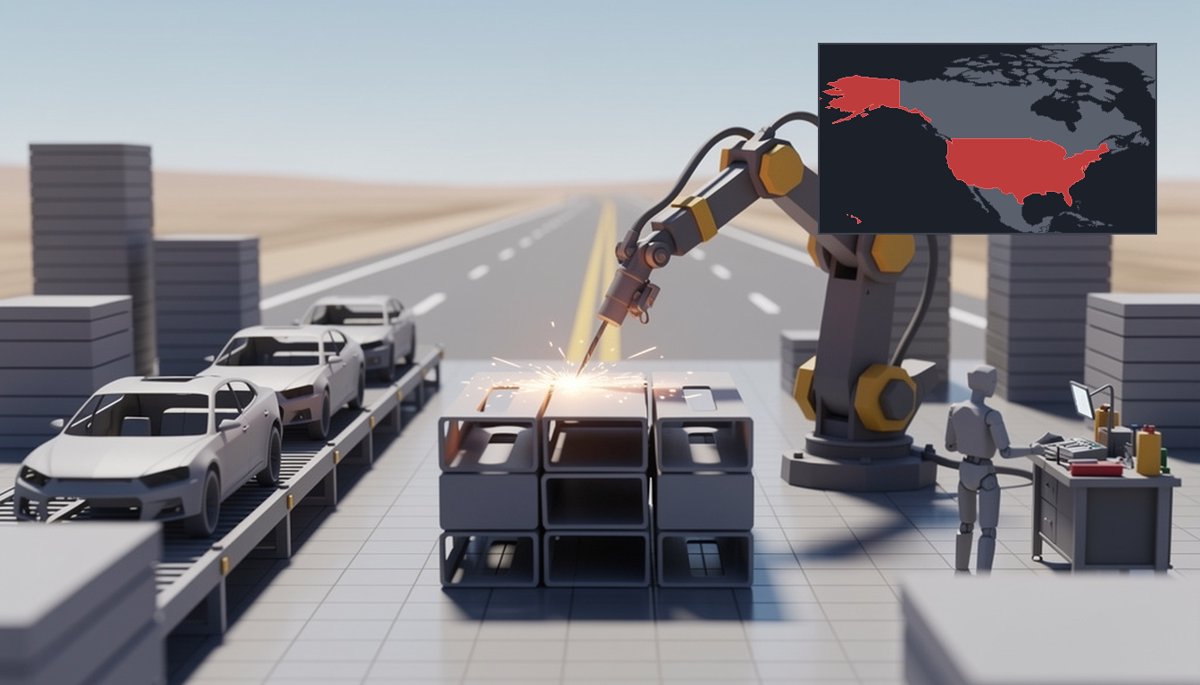
Tesla has torn out the Fremont assembly line that built the Model S and Model X for nearly two decades and is converting it into what the company calls the world's first large-scale production line for its Optimus humanoid robot. The last Model S and Model X cars rolled off that line in early May, closing one of the longest-running chapters in Tesla's history.
The end of a two-decade run
The Model S put Tesla on the map, and the line at Fremont had been building it — and later the Model X — since the sedan's launch. Ending flagship production there is a striking statement of priorities: Tesla is betting that humanoid robots, not its oldest cars, are where the factory's floor space is best spent.
Torn down in 46 days
Tesla dismantled the original Model S/X assembly line in just 46 days, a pace that underlines how seriously the company is treating the Optimus ramp. The freed-up space is being rebuilt around an entirely new manufacturing process rather than a modified car line.
Building for a million robots a year
Tesla is designing the Fremont plant for a first-generation capacity of up to one million Optimus units per year once mass production ramps. It has also outlined a second-generation line at Gigafactory Texas with an ambition of ten million units a year — figures that dwarf the company's vehicle output and signal how central Optimus has become to Tesla's long-term story.
A slow, complex ramp
The early phase will be anything but fast. Optimus has roughly 10,000 unique parts, and Tesla has said initial output will be "quite slow" as it works through an unfamiliar production process on a brand-new line. The company has also repeatedly pushed back the reveal of its next-generation Optimus V3 design, a reminder that hardware timelines here remain fluid.
What it means for European buyers
For customers, the practical takeaway is that the Model S and Model X are winding down as active products. Both flagships have long been niche sellers in Europe, imported from Fremont rather than built at Gigafactory Berlin, so the end of that line effectively caps how many will reach European roads. Buyers eyeing either car should treat remaining stock as finite, check availability carefully, and expect Tesla's attention — and its software and service focus — to concentrate on the higher-volume Model 3 and Model Y. The move reinforces the trajectory of Tesla's oldest models from mainstream sellers to legacy vehicles as the company reorients Fremont around robotics.
A shift in what Tesla is building
Stepping back, the teardown is less about any single car than about what Tesla now believes its factories should make. Committing prime Fremont floor space to humanoid robots, rather than refreshing two ageing flagships, is a concrete signal that Optimus has moved from side project to strategic priority. For European observers it is a reminder that Tesla increasingly frames itself as an AI and robotics company that also builds cars — a framing that will shape which products the company invests in, and which it lets quietly retire.