
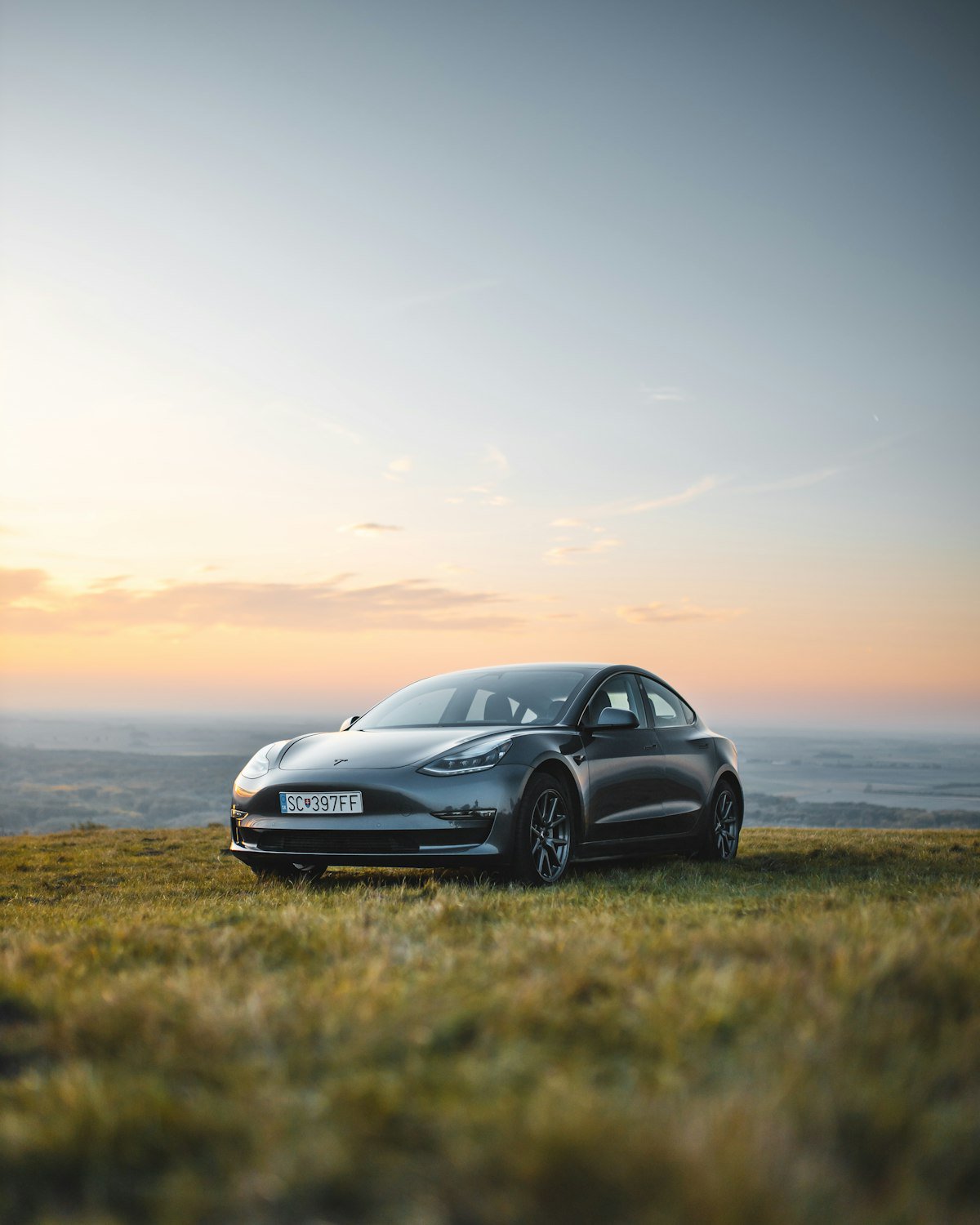
July 2025 was Tesla's seventh consecutive month of declining European registrations. With 8,837 vehicles registered — a 40% year-over-year drop — Tesla is now being outsold in Europe by a Chinese competitor for the first time on a sustained basis.
Country-by-Country Breakdown
The declines were broad-based, with only two European markets showing growth.
| Country | YoY Change | July 2025 Units |
|---|---|---|
| Norway | +83% | 838 |
| Spain | +27% | 702 |
| Italy | -5% | 457 |
| France | -27% | 1,307 |
| Portugal | -49% | 284 |
| Denmark | -52% | 336 |
| Germany | -55% | 1,110 |
| Belgium | -58% | 460 |
| Netherlands | -62% | 443 |
| Sweden | -86% | 163 |
Germany's numbers are particularly striking: 1,110 registrations in a month where the overall German EV market grew 58% to 48,614 vehicles. Tesla's share of the German EV market has fallen to 2.2%, from a year-to-date average of 3.3%.
The BYD Factor
BYD registered 13,503 vehicles in Europe in July, a 225% annual increase. For context, that is roughly 50% more than Tesla's entire European volume for the same month. BYD's growth is concentrated in markets where Tesla is weakest — particularly Southern and Central Europe — and is being driven by the Atto 3, Seal, and Dolphin models at aggressive price points.
What Is Going Wrong
Three factors continue to compound. Brand perception challenges linked to Elon Musk's political activities in Europe are measurably affecting purchase decisions, particularly in Scandinavia and Germany. Chinese competitors are offering credible alternatives at lower prices. And the Model Y Juniper refresh, while technically well-received, has not generated the sales uplift Tesla expected.
Norway remains Tesla's European stronghold — the Model Y Juniper is the country's top-selling vehicle — but one market cannot offset declines across the rest of the continent. Tesla's year-to-date German registrations stand at 10,000, down 57.8% from the same period in 2024.