
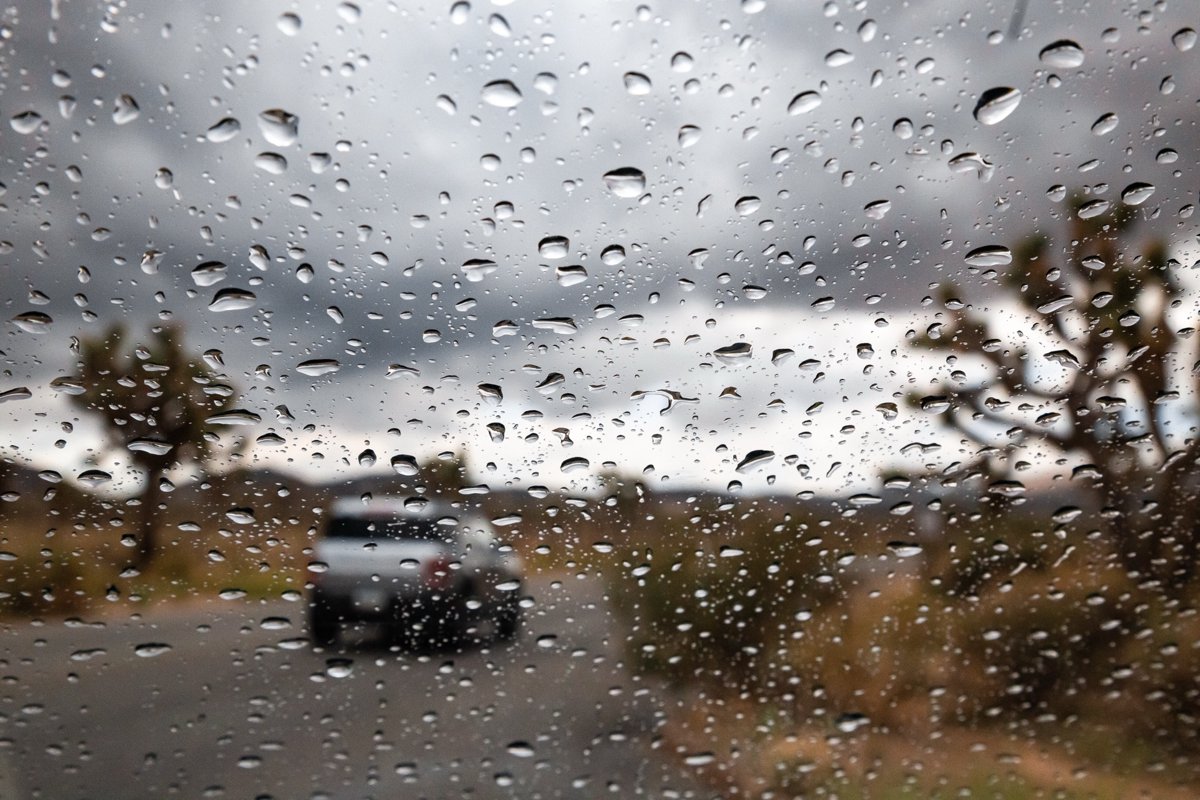
Why Auto Wipers were such a common complaint
Auto Wipers have been on Tesla's internal bug list since the Model 3 moved to a vision-only architecture in 2021. The original system relied on the same camera stack that handles Autopilot. That meant sunlight, bug splatter, or a dirty windshield could fool the network into swiping dry glass, while genuine drizzle was sometimes missed entirely. The complaint has stayed at the top of European owner surveys every year since — especially in rainy markets like the UK, Ireland and the Netherlands.
On 9 April 2026 Tesla published patent US 2026/0097742 A1 titled Wiper Friction Estimation for Autowiper Performance Improvement. Senior Tesla AI engineer Yun-Ta Tsai confirmed on 10 April that the OTA rollout is already live fleet-wide.
How the new detector works
The update adds a second, physics-based signal to the wiper controller. The car's computer continuously measures the electrical power delivered to the wiper motor and subtracts predictable losses — internal motor friction, linkage drag, and aerodynamic resistance. What remains is the friction between the rubber blade and the glass.
A wet windshield lubricates the blade and reduces friction sharply. A dry or icy windshield does the opposite. This tactile reading cross-checks the camera's visual estimate before the wipers commit to a sweep.
| Condition | Camera signal | Friction signal | Wiper action |
|---|---|---|---|
| Dry glass, bright sun | Noisy, often false-positive | Low friction = dry | No sweep |
| Light rain | Weak | Medium friction drop | Intermittent |
| Heavy rain | Strong | Large friction drop | Fast |
| Ice on screen | Misleading | High friction and low motor current | Defrost triggered |
Extra features enabled by the friction model
Because the controller now has a direct read on blade-glass contact, the patent also describes two adjacent features:
- Ice detection. Abnormally high starting torque at cold ambient temperature triggers the defrost heaters automatically rather than relying on the driver to notice — particularly useful for Scandinavian and Alpine owners.
- Blade wear alerts. Long-term friction trends rising over thousands of sweeps signal that the rubber is hardening or tearing. The car can surface a service reminder before smearing becomes dangerous.
Rollout and what European owners should see
Tesla has not published a standalone release note for the Auto Wipers change. The improvement rides inside the standard 2026.8 firmware branch that European owners are already receiving, and no user action is required. On most Model 3, Model Y, Model S and Model X vehicles the update applies immediately; Cybertruck — sold in North America only — uses its own single large wiper and receives an equivalent fix.
Owners should notice fewer phantom sweeps on dry motorway runs and crisper responses to the first raindrops. If Auto Wipers still misbehave after the update, Tesla asks drivers to use the left-scroll wheel to request a manual sweep, which also teaches the fleet's data pipeline that the system misjudged the scene.