
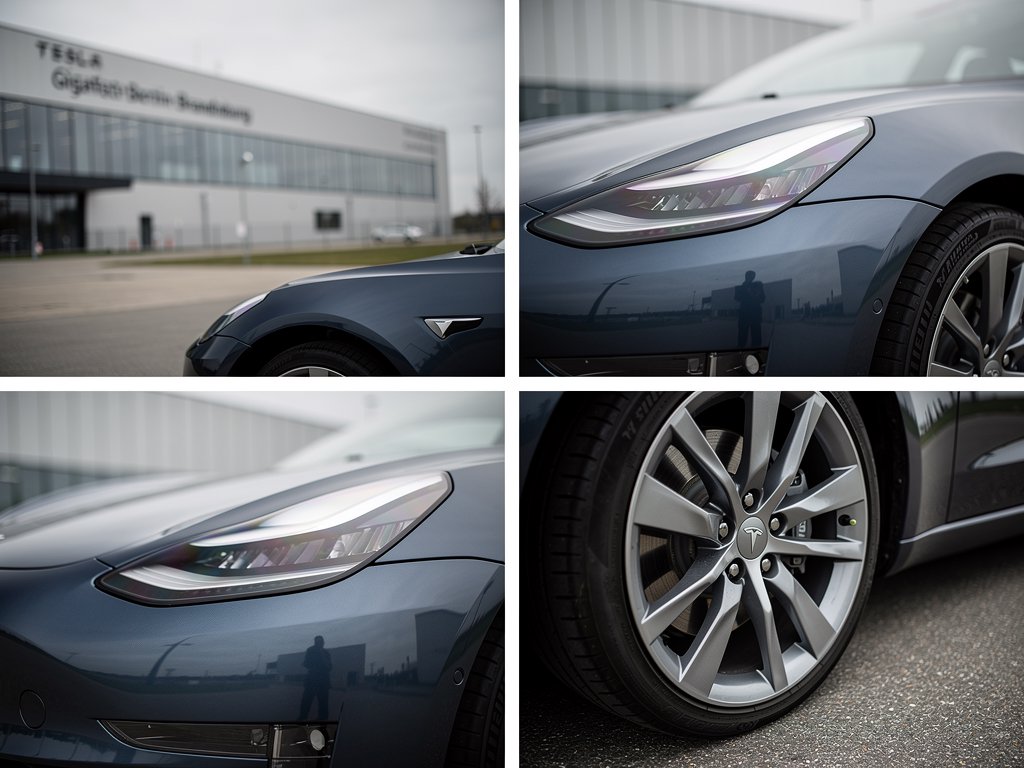
Tesla's Gigafactory Berlin-Brandenburg manufactured its one-millionth electric drive unit on 28 April 2026, the plant confirmed via plant manager André Thierig in a post celebrating the milestone. The figure covers the cumulative output of the facility's drive-unit line since the first Model Y rolled off the Grünheide assembly line in March 2022, and it lands at a moment when Tesla is pushing for another 20% step-up in European production.
What a Drive Unit Is
A Tesla drive unit is the integrated power module containing the electric motor, the inverter and power electronics, and the gearbox in a single housing. Each Model Y has at least one — rear-drive cars get a single-motor unit, the dual-motor and Performance variants ship with two. Drive-unit output is therefore an upper bound on Berlin's vehicle output: the plant cannot ship more cars than its drive-unit line can produce.
How Berlin Got Here
Grünheide opened against a difficult backdrop — environmental challenges, water-permit fights with Brandenburg authorities, and a public protest movement that briefly halted construction. The plant ramped slowly through 2022 and 2023 before settling into a more predictable rhythm in 2024. The 2026 numbers are now genuinely strong:
| Metric | Q1 2026 |
|---|---|
| Average vehicles per week | ~4,700 |
| Peak weekly Model Y output | 61,000+ |
| Cumulative drive units (since 2022) | 1,000,000 |
| Headcount expansion target | +1,000 |
| Battery capacity goal (2027) | 8 GWh |
The peak weekly figure — over 61,000 Model Ys produced in a single recent week — is the highest the plant has ever recorded, and it exceeds the original nameplate ramp Tesla projected when applying for the site's environmental permit.
Why It Matters for Europe
Gigafactory Berlin is now Tesla's primary powertrain hub for the European market and a meaningful chunk of the global drive-unit supply. Almost every Model Y delivered into the EU and the UK from a European port now contains a drive unit produced in Brandenburg. As Tesla scales the refreshed Model Y Juniper into European customers' hands through the rest of 2026, the cadence of Berlin's drive-unit line becomes the practical constraint on European delivery wait times.
The plant's positioning matters for two further reasons. First, the announced 8 GWh battery production target for 2027 would let Tesla source more of its European cell supply locally rather than shipping cells from Asia. Second, the additional 1,000 hires Tesla is planning are concentrated on drive-unit and battery lines rather than vehicle assembly — a signal that the company expects component output, not final assembly, to be the next bottleneck.
What's Next
The immediate operational question is whether Tesla can sustain the Q1 2026 cadence — roughly 4,700 vehicles per week on average, with peak weeks well above that. The longer-running question is whether the Brandenburg expansion permits, which Tesla has been fighting for since 2023, will be approved in time to support the 2027 battery-capacity goal. Both questions will shape European delivery times for the rest of the decade.