
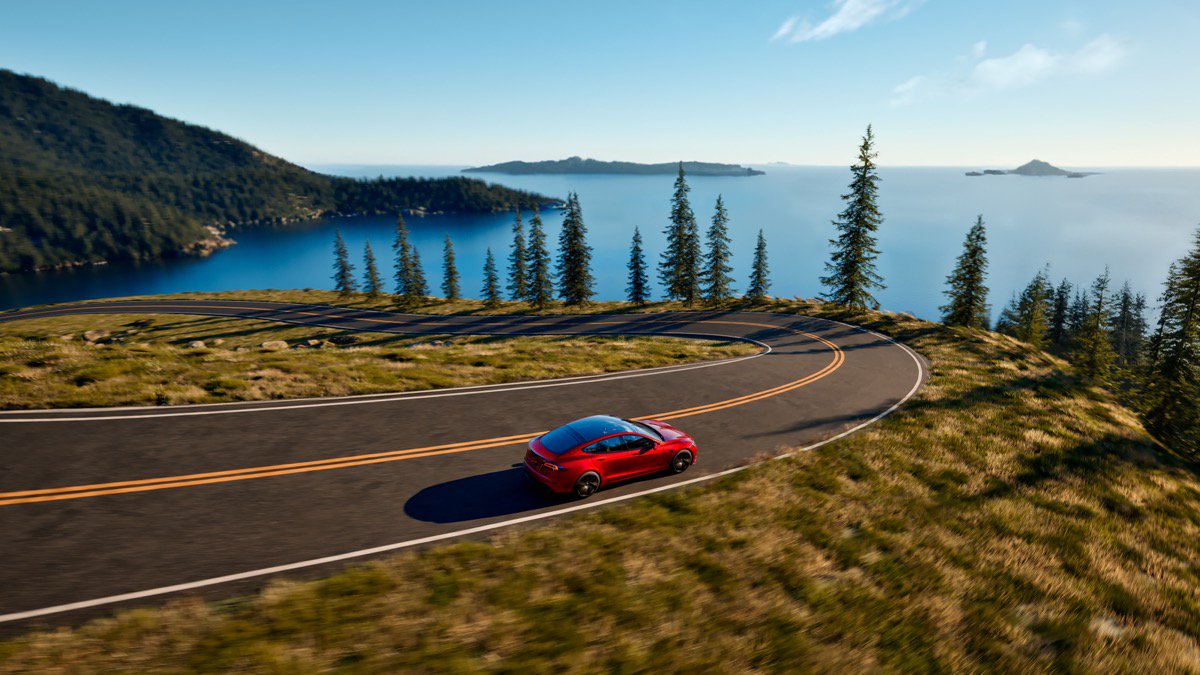
Elon Musk confirmed on April 1 that Tesla has stopped taking custom orders for the Model S and Model X, ending a 14-year production run that began with the Model S launch in June 2012. All that remains are approximately 600 vehicles in global inventory.
What Remains
| Model | Remaining Units | Markets |
|---|---|---|
| Model S | ~295 | US only |
| Model X | ~301 | US only |
| Total | ~596 | Zero in Canada or Europe |
European buyers are already out of luck. Both the configurator and inventory searches show zero new units available on the continent. The models had already been effectively dead in Europe for months, with registrations dwindling throughout 2025.
The Legacy
The Model S debuted in 2012 as the car that proved electric vehicles could be desirable, fast, and practical. The Model X followed in 2015 with its distinctive falcon-wing doors. Together, the two models accumulated over 610,000 sales across their lifetimes.
By 2025, however, annual sales had fallen to roughly 30,000 units despite a factory capacity of 100,000. Musk gave both models what he called an "honourable discharge" during Tesla's Q4 2025 earnings call in January.
Optimus Takes the Line
The Fremont production line that built the S and X will not sit idle. Tesla is converting it to manufacture Optimus humanoid robots, part of Musk's vision to make Tesla primarily a robotics and AI company. The shift reflects a broader strategic pivot away from luxury sedans and SUVs toward autonomous vehicles and robotics.
What This Means for European Owners
For the thousands of Model S and Model X owners across Europe, servicing and parts availability should continue through Tesla's standard support commitments. However, the end of production marks the beginning of a long tail — these vehicles will not receive the same pace of feature updates as the Model 3 and Model Y going forward. Owners considering selling may find that scarcity supports resale values in the near term.